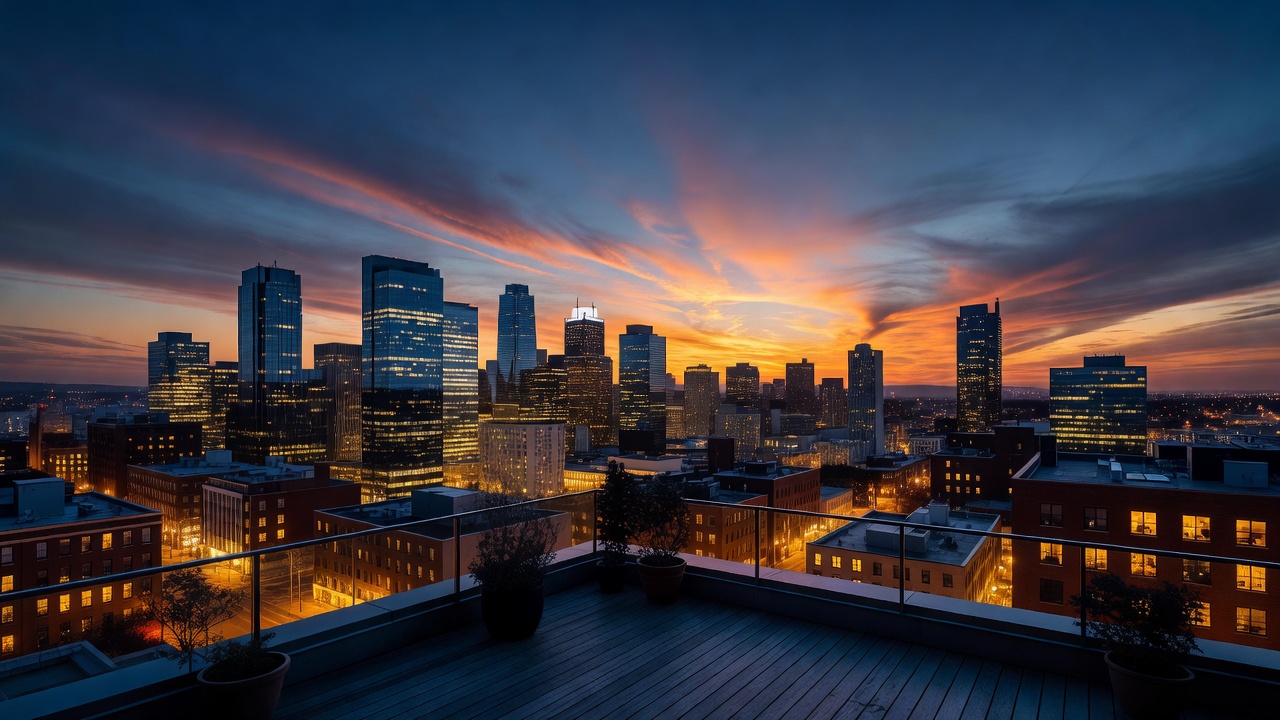
Photographing urban landscapes from rooftop platforms poses unique technical challenges—from managing glass reflections to securing steady long-exposure shots in high wind conditions. In this essential guide, our editorial team outlines tested techniques for capturing museum-quality skyline images.
1. Eliminating Glass Reflections
Most modern skyscraper observation decks use thick double-paned safety glass. To eliminate interior room lights reflecting off the barrier, press a flexible rubber lens hood flush against the glass surface. Alternatively, drape a dark jacket or cloth around your lens barrel.
2. Metering for the Blue Hour Window
The optimal window for skyline photography occurs during the "Blue Hour"—roughly 15 to 30 minutes after sunset. During this slice of time, artificial skyscraper lights match the intensity of the twilight sky, producing balanced exposure without blown highlights.
3. Camera Settings & Stability
- Aperture: Set between f/8 and f/11 for optimal sharp depth-of-field across deep urban grids.
- ISO: Maintain base ISO (100–200) to keep digital noise to an absolute minimum.
- Shutter Speed: Use shutter speeds between 2s and 10s to transform vehicle traffic into smooth light trails.
By applying these foundational rules, you can transform ordinary travel snapshots into vibrant, high-contrast skyline art pieces.